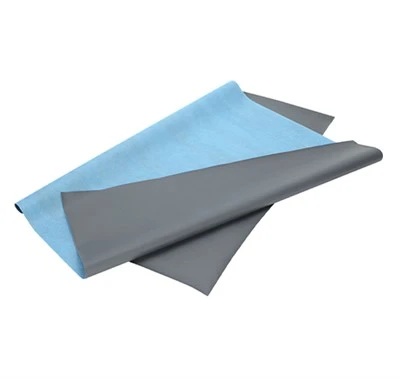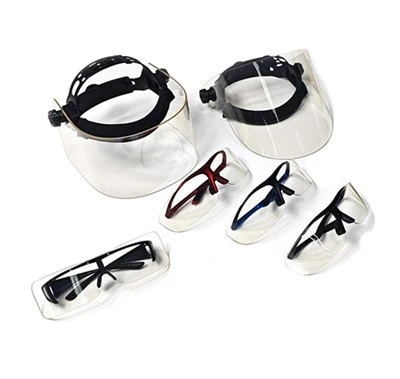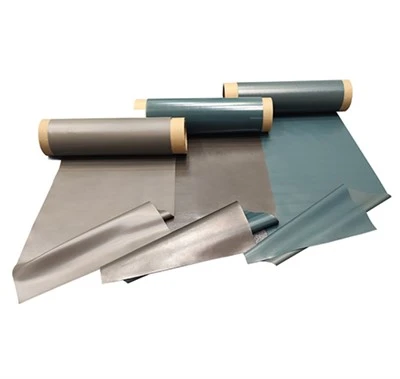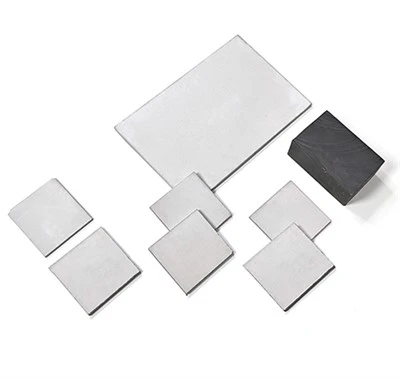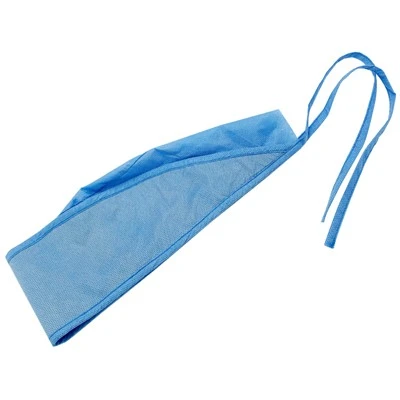


Protective clothing can be categorized by protective function: health-related protective clothing, such as radiation protection clothing, cold-weather clothing, heat-insulating clothing, and antibacterial clothing; safety-related protective clothing, such as flame-retardant clothing, flame-retardant protective clothing, arc-resistant clothing, antistatic clothing, bulletproof clothing, stab-resistant clothing, spacesuits, diving suits, acid-resistant clothing, and insect-repellent clothing; and work clothes designed to maintain the wearer's hygiene, such as oil-resistant clothing, dust-resistant clothing, and water-repellent clothing.
Protective clothing features a structure that is impermeable, breathable, strong, and resistant to hydrostatic pressure. It is primarily used in industrial, electronic, medical, chemical, and bacterial infection environments.
Besides meeting requirements for high strength and abrasion resistance, protective clothing varies depending on the intended use and protective principle. Materials range from natural materials such as cotton, wool, silk, and lead; synthetic materials such as rubber, plastics, resins, and synthetic fibers; to modern functional materials and composite materials, such as impact-resistant para-aromatic polyamides and high-strength, high-modulus polyethylene fibers; oil-repellent fluorinated compounds; radiation-resistant polyimide fibers; antistatic acrylonitrile-copper complex fibers; antibacterial fibers; and fabrics treated with deodorizing agents.