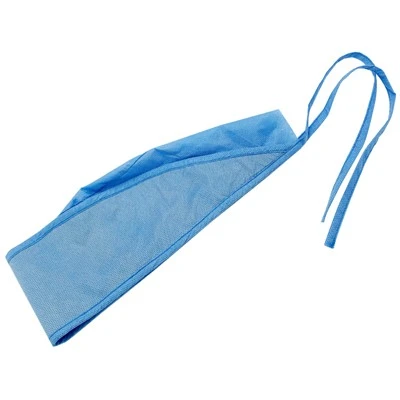


How to clean a dust mask? The outer layer of a dust mask usually accumulates dust, bacteria, and other contaminants from the outside air, while the inner layer blocks exhaled bacteria and saliva. Therefore, the two sides of a dust mask should not be used interchangeably, otherwise the contaminants from the outer layer will be inhaled directly when in contact with the face, becoming a source of infection. When not wearing the mask, it should be folded and placed in a clean envelope, with the side that was in contact with the mouth and nose folded inwards. Do not simply stuff it into a pocket or hang it around your neck.
If a dust mask becomes wet from exhaled breath or saliva, its effectiveness in blocking germs will be greatly reduced. Therefore, it is best to have several masks on hand for replacement and to wash them daily. When washing, first scald them with boiling water for 5 minutes.
Dust masks should be cleaned and disinfected daily. Both gauze masks and air-filtering masks can be disinfected using heat. The specific steps are:
Cleaning. Gauze Mask Cleaning: Gently rub the gauze mask with warm water and soap. For bowl-shaped masks, use a soft brush with detergent to gently clean them, then rinse thoroughly with clean water. Please note that you should not rub vigorously, as excessive gaps in the gauze will reduce its effectiveness in preventing droplet transmission.
Disinfection: Soak the cleaned mask in a 2% peracetic acid solution for 30 minutes, boil it in water for 20 minutes, or steam it for 15 minutes. Then, dry it in the sun. This method is suitable for both gauze and bowl-shaped masks.
Inspection: Before reuse, carefully inspect the mask to ensure it is still intact. For both gauze and bowl-shaped masks, use a light transmission test: hold it up to a light source and check for any obvious bright spots. Also, check if the light transmittance is consistent between the center and edges. If any issues are found, replace the mask.
Disinfection: Soak the cleaned mask in a 2% peracetic acid solution for 30 minutes, boil it in water for 20 minutes, or steam it for 15 minutes. Then, dry it in the sun. This method is suitable for both gauze and bowl-shaped masks. Activated carbon adsorption masks require regular replacement of the activated carbon layer. If the activated carbon layer cannot be replaced, it should be replaced every 7 to 14 days. These activated carbon protective masks cannot be cleaned and reused.