

1. Temperature Control:
When there is a large temperature difference between the inside and outside of the mask, water vapor inside will condense into fog upon contact with the cold air. Before wearing, allow the mask to acclimate to room temperature, or rinse the lenses with warm water beforehand to reduce the temperature difference. For outdoor activities, choose a mask model with ventilation holes to balance airflow.
2. Anti-fog Products:
Dedicated anti-fog sprays or wipes can form a hydrophobic film, providing anti-fog protection for 4-8 hours. Medical-grade anti-fog agents containing polyvinyl alcohol are safer. Alternatively, diluted dish soap can be applied to the inside of the lenses, and rinsed with water to form a protective film.
3. Structural Optimization:
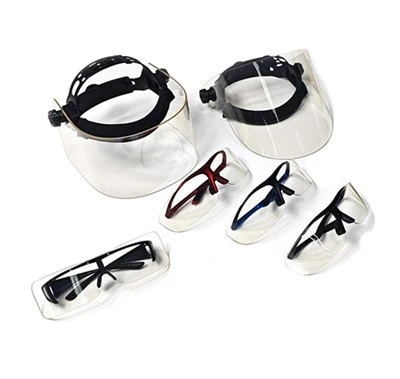
Choose a mask made of PC material with an anti-fog coating, or professional protective equipment with built-in anti-fog inserts. Double-layer lens designs prevent water vapor condensation through an air gap. Some industrial masks are equipped with an electric defogging fan system.
4. Wearing Techniques:
Ensure the upper edge of the mask fits snugly against the forehead, leaving a 1-2cm gap at the lower edge to allow for air convection. Secure the bridge of your nose with medical tape to prevent your exhaled breath from directly hitting the lenses. Speak slowly to reduce the amount of hot, humid air exhaled.